
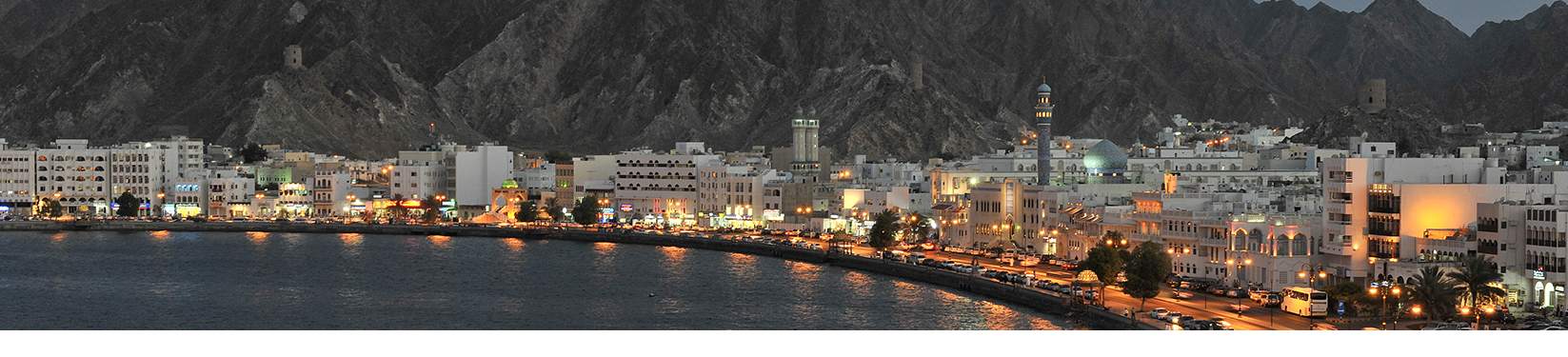
Expats in Oman will now be able to buy real estate assets outside of the Integrated Tourism Complexes (ITCs) in two categories. Those who invest between RO250,000 and RO500,000 will be granted a second-class residency extendable every five years, but only for residential properties. A RO500,000 investment, on the other hand, grants the investor a first-class residency extendable every ten years, as well as the ability to purchase commercial and industrial assets.
Anyone willing to invest less than RO250,000 will be able to only in ITC projects or usufruct plans. Some governorates as well as other places deemed strategically important are still prohibited.
The early response to this policy shift was a was somewhat divided. According to one view, this will be tremendously beneficial to Oman since it will encourage a rush of investment into assets other than the traditional ITC residential unit, based on the idea that there is enormous pent-up demand for these assets.
The contrasting viewpoint is that the announcement will have minimal impact on the market. The argument is that the investment required to have an impact is far greater than other regional or world markets. For instance, investments in properties valued between RO50,000 and RO100,000 can help one attain residency in other GCC countries such as Bahrain, Qatar and the UAE. An investment of RO250,000 in non-ITC properties is nevertheless large and may price out certain types of buyers. Expatriates can already get residency privileges by buying an ITC residential unit.
In our opinion, the true impact lies somewhere in the middle of these two perspectives.
Following Omanisation initiatives, the number of expatriates in Oman has been declining yearly since 2016, and we are not likely to see a shift in government policy to reverse this. While some expats may seek residency through the RO250,000 purchase option, such buyers already have a variety of affordable housing options to pick from within ITC properties.
Still, buyers may explore a residential villa outside of ITC projects due to the number of options available that provide good value-for-money— villas may be purchased for 50-60% of the cost of an ITC villa in nearby non-ITC areas. Overall, the advantages of owning real estate assets worth less than RO500,000 appear to be minor and few in number, and so may not generate the appropriate level of interest.
The over RO500,000 option, which allows the purchase of industrial or commercial assets over and above residential assets, would, in our opinion, be the true beneficiary of the new law. This option is especially appealing since it reduces competition with residential assets that expatriates can already obtain at lower prices within ITC projects, opening up new investment opportunities.
Expat businessmen in Oman are likely to be interested in owning factories, logistics warehouses, retail units or offices. Businesses will stand to benefit from the increased security that comes with ownership and possibly protect themselves from future rental rate rises. Owners would also have greater control over their assets and would be willing to make capital investments in the property, which may have not been possible in a leasehold arrangement.
Finally, we believe that this is a favourable development because it increases market flexibility, particularly for expat business owners who have industrial or commercial requirements in Oman, and signifies that the Sultanate is further opening its doors to foreign investors.

.jpg)
.png)
.jpg)
.jpg)
.jpg)
.png)
.jpg)
.jpg)
.jpg)